What Goes Wrong: Common Causes of Ignition Failure
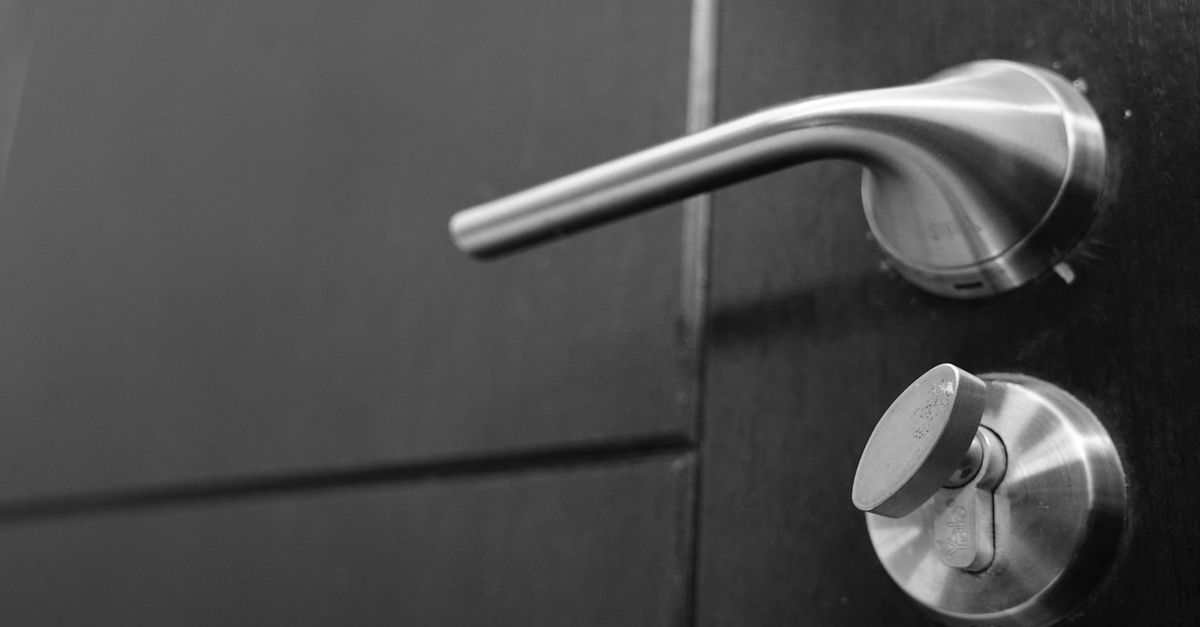
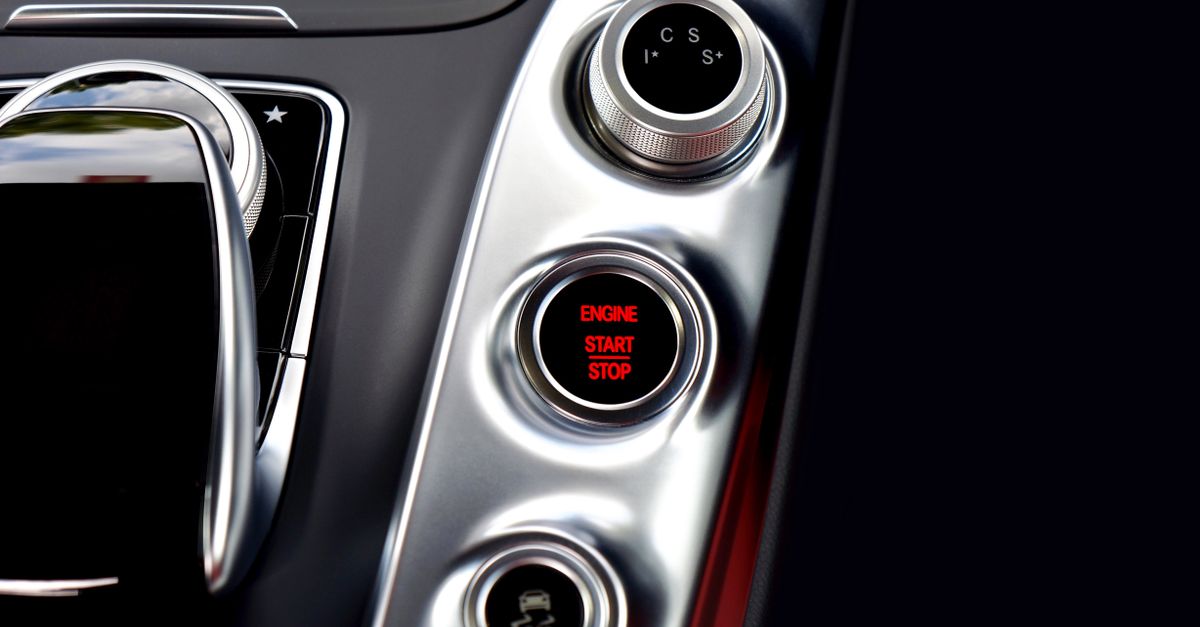
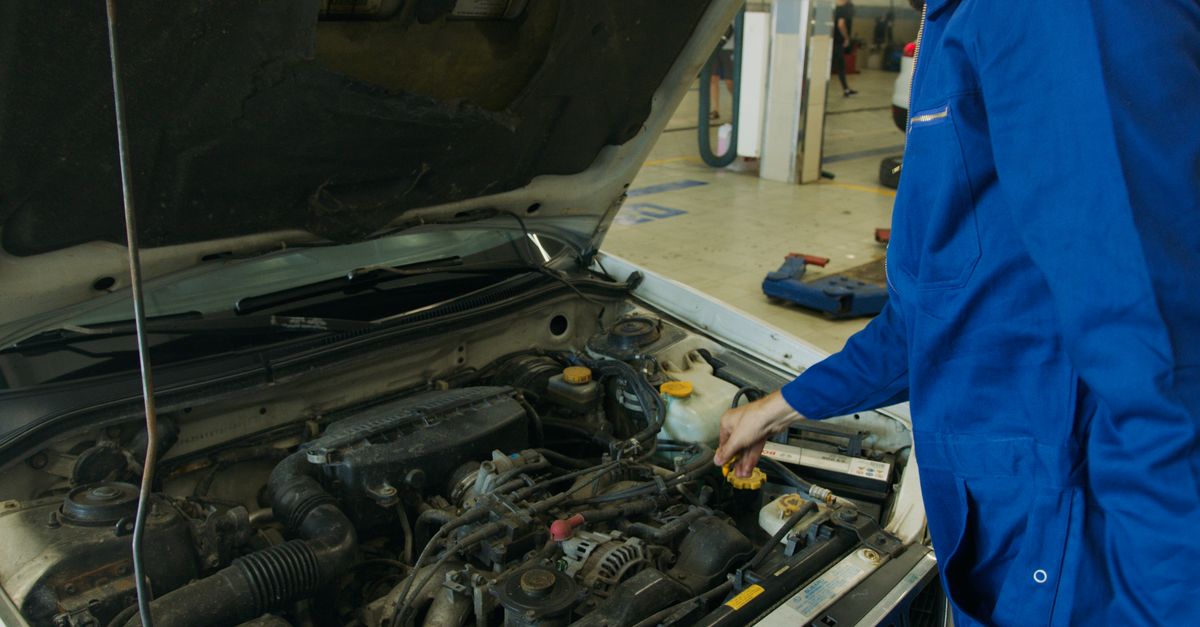
The ignition cylinder on a vehicle is a precision lock mechanism, and like any lock — whether it's a mortise lock on a commercial door or a deadbolt on a residential entry — it has internal components that wear, corrode, and eventually fail. The most frequent causes we see in Pottstown are worn key cuts that no longer match the cylinder's wafer positions, damaged or bent keys that have gradually distorted the internal tumblers, debris or grit that has built up inside the cylinder over time, and a steering column lock that has engaged under tension. In older vehicles — particularly ones that have sat through several hard Pennsylvania winters — the ignition can seize almost completely due to corrosion inside the cylinder.
A less obvious but equally common cause is key wear. Over thousands of uses, both the key and the cylinder wear together at slightly different rates. Eventually, the key profile no longer provides enough lift to rotate the cylinder, especially under cold conditions. We also frequently encounter situations where a duplicate key — cut from a copy of a copy — has accumulated enough dimensional error to bind in the ignition even though the original key once worked fine. Before assuming the ignition itself is ruined, our technicians perform a careful diagnosis to rule out the key as the primary culprit, because in many cases a freshly cut key resolves the issue without any need to touch the cylinder itself.